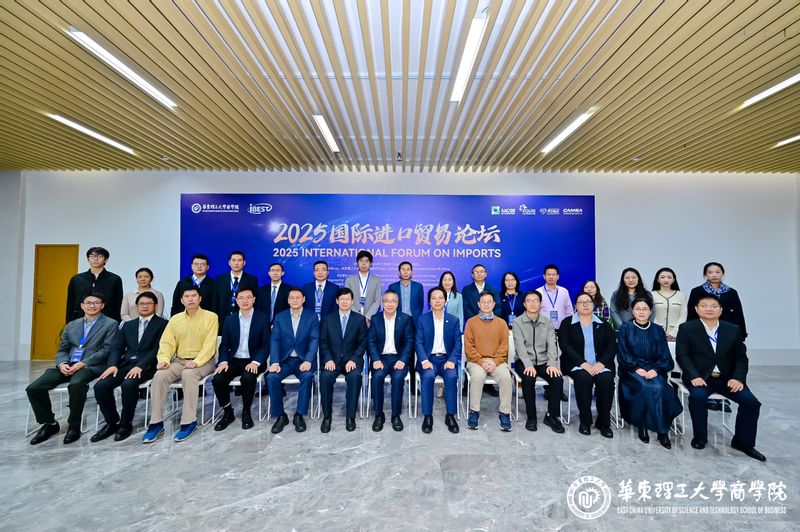
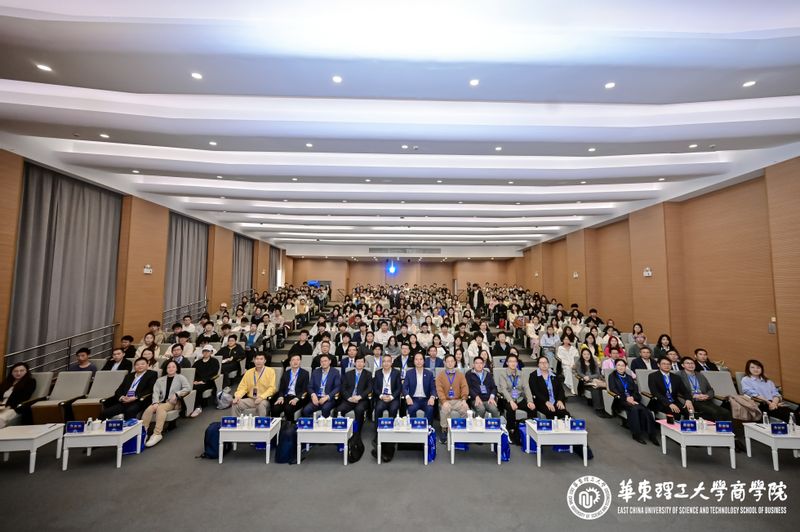
On November 8, the 2025 International Import Trade Forum was held at East China University of Science and Technology (ECUST). Vice President Yan Haifeng, a standing member of the university’s Party Committee, attended and delivered the opening speech. The forum was also graced by prominent figures, including Zhang Xiangchen, Deputy Director-General of the World Trade Organization (WTO), former Vice Minister of Commerce of China, and China’s former Permanent Representative to the WTO; Liao Fan, Director of the Institute of World Economics and Politics at the Chinese Academy of Social Sciences; Huang Xianhai, Vice President of Zhejiang University, National Special Talent Program Professor, and Vice President of the Chinese World Economic Association; Hong Xiaodong, former Director of the WTO Division at the Ministry of Commerce and an expert at the China WTO Research Center; and Karina Manova, Professor of Economics at University College London, Fellow of the World Econometrics Society, and Editor of *Review of Economic Studies*. Over 300 scholars and experts from international organizations, the Chinese government, academia, and industry attended the forum and delivered keynote speeches. The opening session was hosted by Hou Limin, Party Secretary of the School of Business at ECUST.
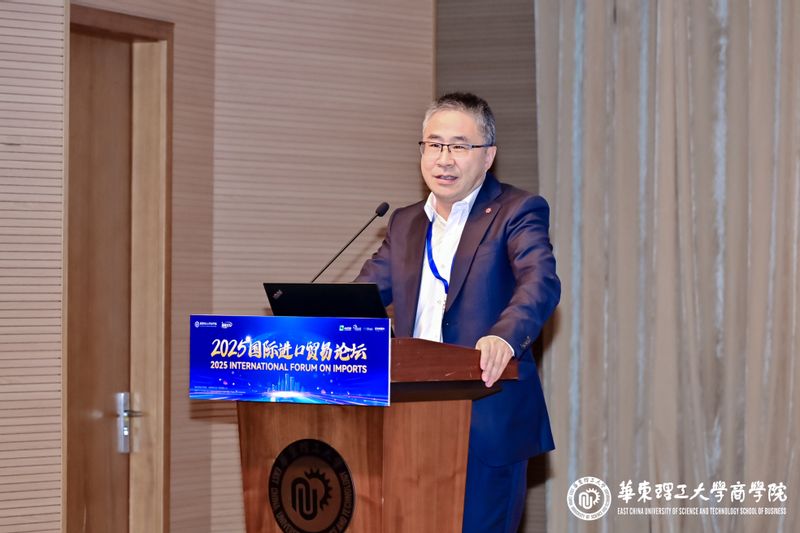
Vice President Yan Haifeng highlighted In his speech, that the 20th National Congress of the Communist Party of China emphasized the strategic deployment of expanding high-level opening-up and creating new opportunities for mutually beneficial cooperation. He pointed out that the forum’s theme, A New Vision of High-Level Opening-Up in a Multilateral Order, is timely and relevant. He emphasized that ECUST, with over 70 years of history, has consistently adhered to the mission of serving national strategies and closely aligned with societal needs. This has led to the formation of a comprehensive, broad, and multi-level framework for international openness and exchanges, contributing China’s wisdom and academic strength to global trade governance.
Zhang Xiangchen noted in his speech that the global economy is undergoing a transformation, with uneven trade recovery, the rise of protectionism, and the WTO playing a critical role in promoting multilateralism, policy coordination, and rebuilding trust.
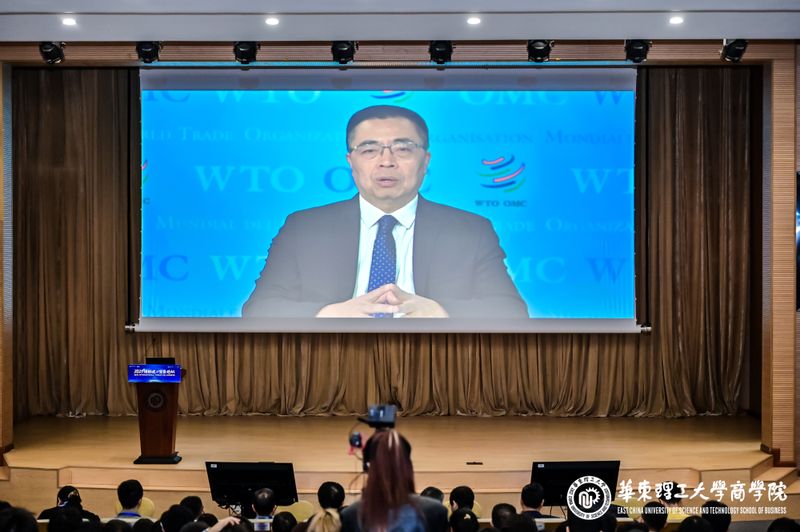
Liao Fan discussed China’s continued commitment to promoting an open and inclusive development framework, deepening mutually beneficial cooperation, and striving to build a more equitable, rational, and stable global governance system.
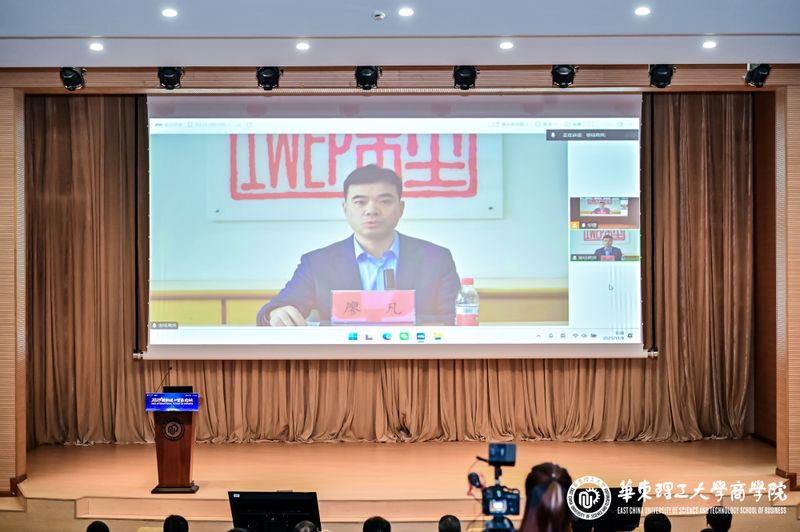
Huang Xianhai pointed out that existing mainstream theories have limitations and proposed a new analytical framework centered on dynamic competitive advantage theory. This aims to create a trade policy system with Chinese characteristics.
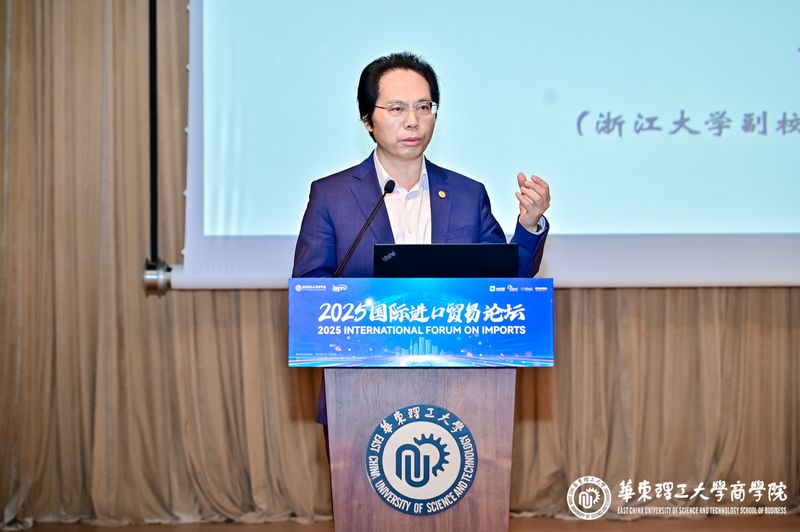
Hong Xiaodong emphasized the global efficiency losses and welfare decline caused by current geopolitical conflicts. He urged the international community to adhere to the sustainable development path and actively promote the thriving development of digital and green trade.
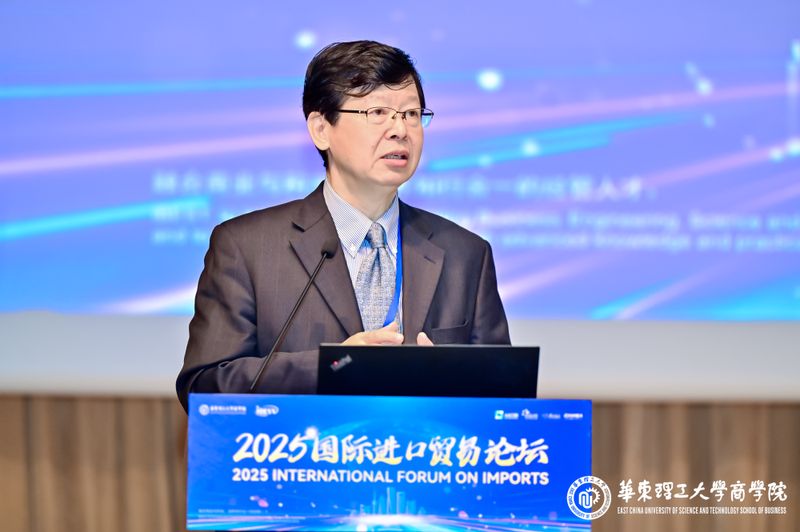
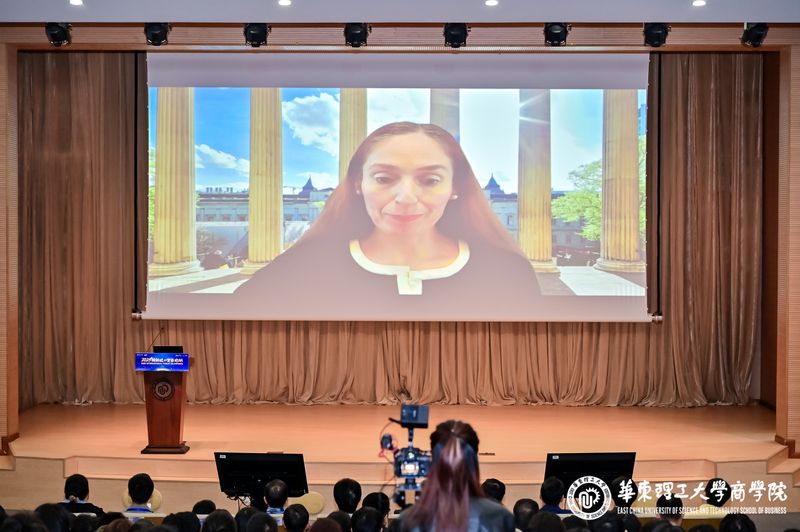
Karina Manova underscored how technological innovations and the global value chain have enhanced corporate performance and productivity, deepening international trade and investment. She proposed that the world should coordinate collective action to address increasingly complex global issues.
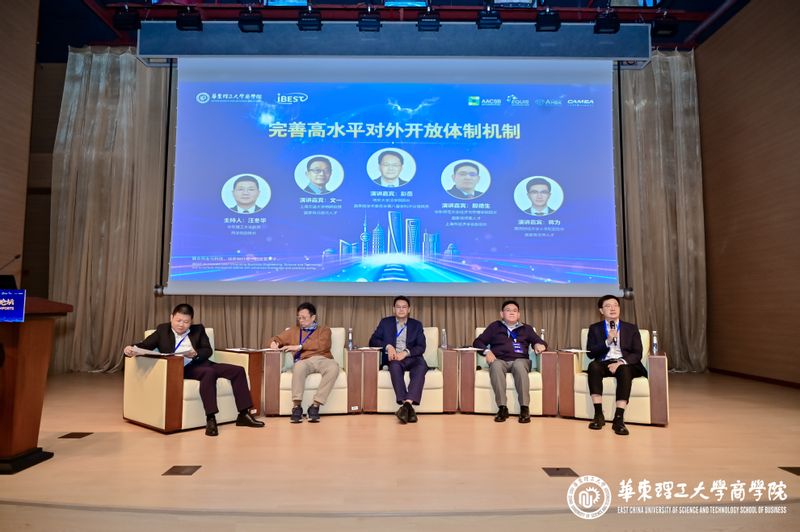
The roundtable forum, led by Professor Wang Donghua, Associate Dean of the School of Business, focused on Improving High-Level Opening-Up Systems and Mechanisms. Experts from Shanghai Jiao Tong University, Nanjing University, East China Normal University, and Southwest University of Finance and Economics discussed frontier issues such as the formation path and future development of the international trade system, the legal battles in the China-US trade conflict, analyses of the 4th Plenary Session of the Communist Party of China on foreign openness, and the new framework for high-level openness.
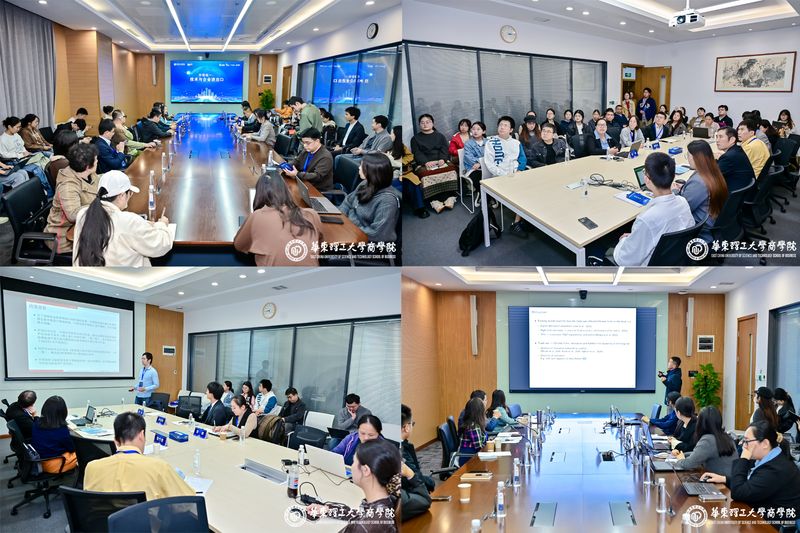
The thematic sessions addressed topics including Technology and Enterprises’ Import and Export, Writing and Publishing International Trade Papers, Enterprise Innovation and Green Trade, and International Trade and Enterprise Digitalization. Renowned scholars and students from over ten universities and research institutions participated in lively discussions on issues such as technology, trade barriers, and corporate green transformation.
The forum was hosted by ECUST and organized by the School of Business and the School of Law. It has been successfully held for eight years. As a platform for academic exchange and international communication, the forum has provided valuable academic insights and intellectual support for building a higher-level open economy system, contributing to making the China International Import Expo a globally recognized trade event.